
“Freedom is not defined by safety. Freedom is defined by the ability of citizens to live without government interference.” – Ron Paul
In the ‘80s, the United States was gripped by a moralistic hysteria known as the Satanic Panic. It was a cultural phenomenon driven by fears of the occult, so-called devil worship, and subversive influences infiltrating society. Movies like The Exorcist and The Omen for example. Hell, even Dungeons and Dragons were targeted! At the heart of this paranoia was metal music, a prime target for religious groups, concerned parents, and even government officials. The Satanic Panic wasn’t just a grassroots movement; it saw concerted efforts from government bodies, particularly through Senate hearings and legal actions, to censor and suppress metal, painting it as a dangerous threat to the American youth. The stereotypical “think of the children” moral panic.
The Rise of the Satanic Panic
The Satanic Panic emerged in the early ‘80s, fueled by a confluence of social anxieties. The rise of evangelical Christianity, combined with sensationalized media reports about ritual abuse and occult conspiracies, created a climate of fear. Metal, with its dark aesthetics and lyrics exploring themes of rebellion, fantasy, and occasionally the occult, was the perfect scapegoat.
Bands like Black Sabbath, Judas Priest, Iron Maiden, and Ozzy Osbourne were singled out for their provocative imagery—pentagrams, demons, and references to hell were staples of the genre’s flair. To moralistic conservative critics, these weren’t artistic expressions but literal endorsements of Satanism. The media fanned the flames, with talk shows and news segments warning parents about “hidden” Satanic messages in music, including the debunked myth of messages being hidden in songs were you to play the song backwards; so called “Backmasking.”
The PMRC and Senate Hearings

The government’s most visible attempt to crack down on metal came through the Parents Music Resource Center (PMRC), a group founded in 1985 by that cultural tyrant Tipper Gore (wife of then-Senator Al Gore) and other politically connected spouses. The PMRC aimed to regulate music deemed obscene, violent, or Satanic, with metal as a primary target. They compiled the “Filthy Fifteen,” a list of songs they found objectionable, which included metal tracks like Judas Priest’s “Eat Me Alive,” Mötley Crüe’s “Bastard,” and W.A.S.P.’s “Animal (Fuck Like a Beast).”
The PMRC’s influence led to a highly publicized Senate hearing in September 1985, organized by the Senate Committee on Commerce, Science, and Transportation. The hearings, chaired by Senator John Danforth, were ostensibly about protecting children from “harmful” music but became a platform for moral grandstanding. Metal was quite literally put on trial, with the PMRC arguing that its lyrics promoted violence, drug use, and Satanism. They pushed for mandatory warning labels on albums, a move that critics, justifiably, saw as a step toward censorship.
The hearings featured testimony from musicians, including Twisted Sister’s Dee Snider, Frank Zappa, and John Denver, who defended artistic freedom. It is still hilarious, to me, in a surreal sense, seeing these guys in the Senate chamber. Snider, in particular, delivered a powerful rebuttal, arguing that the PMRC’s interpretations of his lyrics were baseless and that parents, not the government, should monitor what their children listened to. This is objectively the correct stance. Parents should parent their children, not the damn State. Despite these defenses, the hearings amplified the narrative that metal was a societal menace, giving legitimacy to calls for its regulation.
Legal Battles and Backmasking Hysteria
Beyond the Senate hearings, the government’s assault on metal extended to the courts. One of the most infamous cases involved Judas Priest in 1990, when the band was sued by the families of two young men, Raymond Belknap and James Vance, who had attempted suicide (Belknap, unfortunately died, Vance survived but was severely injured) after allegedly listening to the band’s album Stained Class. The families claimed that subliminal messages in the song “Better By You, Better Than Me” had driven them to their actions.
The trial, held in Reno, Nevada, became a shit-show, with “experts” testifying about supposed hidden messages, were you to play the song backwards, in Judas Priest’s music. The band, led by Rob Halford, defended themselves, demonstrating that any perceived messages were coincidental and that their music was meant as art, not mind control. The judge ultimately dismissed the case, ruling that there was no evidence of subliminal messages causing harm. However, the trial highlighted the extent to which the State was willing to entertain ridiculous claims to castigate metal.
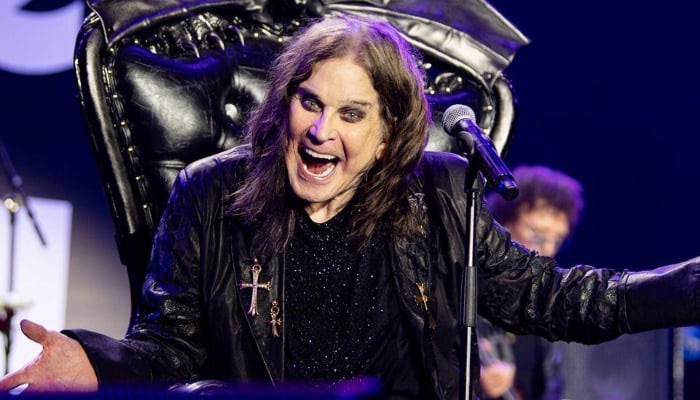
Similarly, Ozzy Osbourne faced a lawsuit in 1986 over his song “Suicide Solution,” blamed for the suicide of a teenager. The case was dismissed, but it underscored how courts were becoming battlegrounds for the Satanic Panic’s attack on metal.
The Actual Agenda: Control and State Enforced Social Conservatism
The State’s desire to suppress metal wasn’t just about “protecting youth”; they reflected broader cultural and political currents. The ‘80s saw a social conservative/moralistic resurgence under Ronald Reagan, with evangelical groups gaining significant influence. Metal, with its defiance of authority and embrace of countercultural values, was seen as a threat to the moral fabric social conservatives wanted to uphold.
The PMRC’s push for warning labels was part of a larger strategy to control media and curb artistic freedom. While the music industry eventually agreed to voluntary “Parental Advisory” stickers to avoid stricter legislation, this compromise still stigmatized metal. The labels gave retailers an excuse to limit sales or refuse to stock certain albums, effectively soft-censoring artists. Think of it like what you’d see as shadow-banning on some social media sites.
The Fallout
The State’s attempt to cancel metal ultimately failed. The PMRC’s campaign and the Senate hearings backfired, galvanizing musicians and fans to defend their right to free expression. The “Parental Advisory” sticker, rather than deterring listeners, became a badge of rebellion, boosting the allure of metal and other “dangerous” music. The Streisand Effect never fails! Bands like Metallica and Slayer thrived in the late ‘80s and early ‘90s, proving the genre’s resilience.
However, the Satanic Panic left some scars. Metal bands faced increased scrutiny, and some artists toned down their imagery to avoid backlash. The hysteria also fueled stereotypes about metal fans as troubled or deviant, stereotypes that persist in some circles today. On a broader level, the period highlighted the dangers of moral panics and government overreach into artistic expression, serving as a cautionary tale for future debates over censorship.
The Satanic Panic of the ‘80s was a dark chapter in American cultural history, and metal was one of its most prominent casualties. Through Senate hearings, legal battles, and the PMRC’s crusade, the government sought to vilify and suppress a genre that challenged societal orthodoxy. Metal remained resilient, its defiance only strengthened by the attacks. The legacy of this era acts as, in my opinion, a moral imperative for art/music to resist censorship and the importance of guarding against fear-driven overreach. As Dee Snider himself said during the PMRC crusade: “The government has no business telling artists what they can say or parents what their kids can listen to. That’s not freedom—that’s control.” He is damn right. Don’t look to the State to parent your children. Be a parent. Never give the State control.


 The Alternative Sovereign
Leave a comment